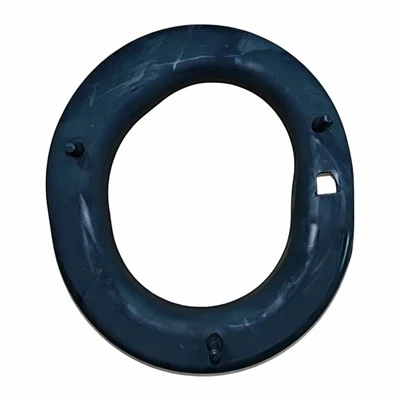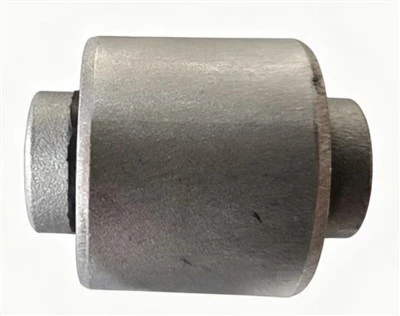
Natural rubber, as commonly referred to, is a solid substance produced from natural latex collected from rubber trees through processes such as coagulation and drying. Natural rubber is a natural polymer compound primarily composed of polyisoprene, with the molecular formula (C5H8)n. Its rubber hydrocarbon (polyisoprene) content is over 90%, and it also contains small amounts of protein, fatty acids, sugars, and ash.
Physical properties of natural rubber: Natural rubber exhibits high elasticity and slight plasticity at room temperature, possessing high mechanical strength, low hysteresis loss, and low heat generation during repeated deformation, resulting in excellent flexural strength. Furthermore, as a non-polar rubber, it has good electrical insulation properties.
Rubber, along with plastics and fibers, is considered one of the three major synthetic materials, a polymer material with high extensibility and elasticity. The most prominent characteristics of rubber are its very low elastic modulus and high elongation. Secondly, it possesses good resistance to air permeability, resistance to various chemical media, and electrical insulation properties. Certain specialty synthetic rubbers possess excellent oil and temperature resistance, resisting swelling from fatty oils, lubricating oils, hydraulic oils, fuel oils, and solvent oils. They are cold-resistant down to -60°C to -80°C and heat-resistant up to +180°C to +350°C. Rubber also resists various flexural and bending deformations due to low hysteresis loss. A third characteristic of rubber is its ability to be blended, compounded, and combined with various materials for modification, resulting in excellent overall performance.
Currently, the performance of rubber seals is developing towards reliable sealing under extreme conditions such as high temperature resistance, corrosion resistance, and wear resistance. Material systems are showing a trend towards diversification. Materials such as HNBR and TPV are used in aerospace, oil exploration, and automotive fields. Meanwhile, emerging fields such as the three-electric systems of new energy vehicles and semiconductor manufacturing are placing more stringent demands on sealing materials, driving the application of materials such as silicon-based composites, thermoplastic elastomers, and high-purity perfluoroether rubbers. Furthermore, green transformation has become an important industry trend, significantly increasing the weight of environmentally friendly materials in related procurement costs.