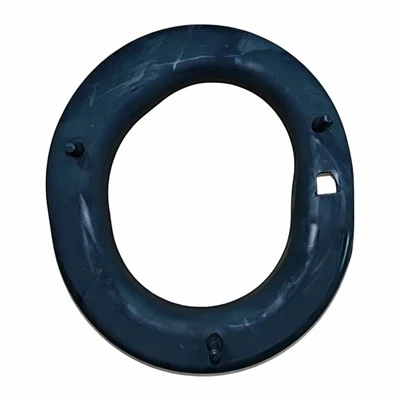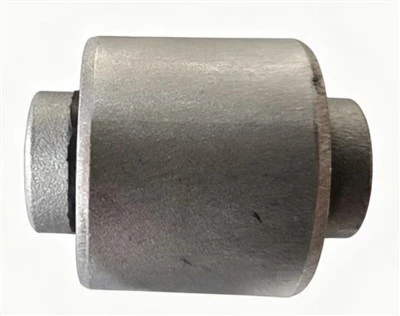
The bushing has a three-layer structure from the outside in. The outermost layer is a metal shell, usually made of steel or aluminum alloy. The metal shell provides a fixed mounting base for the rubber, allowing the bushing to be firmly bolted to the frame or control arm. The inner wall of the metal shell is not smooth; instead, it is embossed with concentric grooves. These grooves ensure a tighter fit between the rubber and metal, preventing the rubber from being pulled out of the metal shell under repeated stress. The middle layer is the rubber body, the heart of the entire bushing. The rubber is usually a mixture of natural and synthetic rubber, with added carbon black and vulcanizing agents to enhance elasticity and durability.
The hardness of the rubber is the most critical parameter in bushing design. Too hard, and the cushioning effect is poor; too soft, and the connection is unstable. Engineers select rubbers of different hardnesses based on the stress characteristics of different locations. For example, the rubber used in the lower control arm bushing is relatively hard because it must withstand significant longitudinal forces; if it were too soft, the control arm would deviate from its intended path. The rubber used in the stabilizer bar bushings is relatively soft because its function is to absorb lateral swaying; if it were too stiff, it would lose its purpose.